

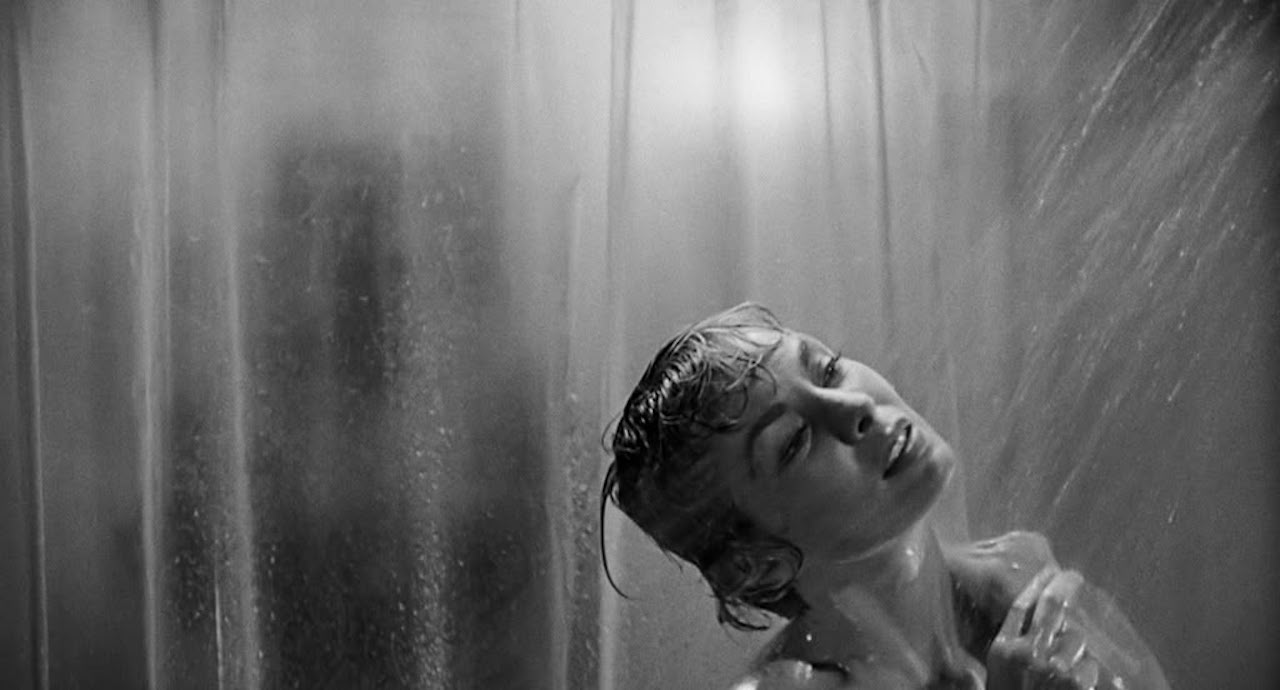
Horror cinema has never been a mere mechanism of dread, reducible to its jump scares or its taste for the macabre. To question its social function requires going beyond aesthetic analysis to observe how this unique genre captures, synthesizes, and reproduces the invisible tensions that run through an era. Through the figuration of our hauntings, horror films act as a mode of symbolic mediation, a distorting prism capable of making intelligible what the social body tends to repress or silence.
In 1997, Michael Haneke articulated one of

Si vous avez déjà créé un compte, connectez-vous GRATUITEMENT pour lire la suite de cet article. Pas encore de compte ? Inscrivez-vous
