

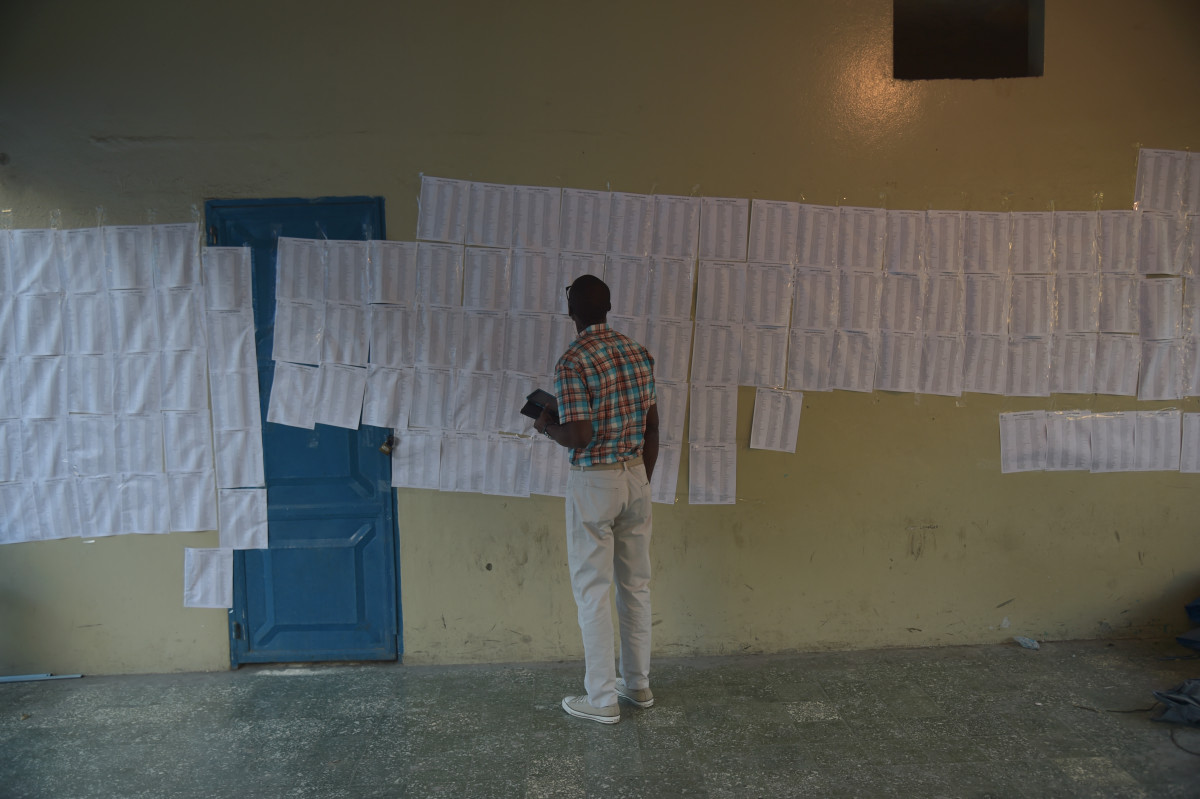
As the December 13, 2026 election approaches, one question looms large: where are the young people in the electoral competition? Ongoing data from the Provisional Electoral Council (CEP) shows a concerning trend: those aged 18-35 remain significantly underrepresented among registered candidates. This observation raises questions about youth access to political life, amidst the high costs of registration and the lack of incentivizing mechanisms.
Haiti has not held general elections since 2016. The first round of the presidential and legislative elections is scheduled for December 13, 2026, with the second round on February 21, 2027. With only days remaining until the candidate registration period closes, extended until mid-October 2026, a pattern emerges: Haitian youth, although numerous and often engaged in civil society, struggle to take the step towards candidacy.
What the Trends Reveal
The provisional figures from the CEP reveal an unambiguous age distribution: the youngest candidates (ages 18-35) comprise a marginal share of all applications, while the intermediate age groups (35-45 and 45-60) largely dominate. From position to position, the presence of younger candidates varies greatly. The Senate attracts more candidates in their forties. For the presidency, nearly all candidates are over 45 years old. In the Chamber of Deputies and municipalities, which are natural entry points into politics, those under 35 remain an exception.
These trends measure candidacies, certainly, but not the political interest of a generation. A young person can be active in a party, engage in an association, or advocate for a cause without seeking office. The real question then becomes: if young people want to participate in public life, why do so few take the step towards candidacy?
The Cost of Entering Politics
Part of the answer lies in the cost of candidacy. The electoral decree of June 2, 2026, sets high registration fees that vary depending on the position sought. For the presidency, the fee is two million gourdes. For a Senate seat, it is 800,000 gourdes. For a deputy position, 300,000 gourdes are required. Even local positions (Mayor, CASEC, ASEC) demand amounts that are a serious barrier for someone just starting their career.
The decree provides for reductions for certain categories: 50% for female candidates and for persons with disabilities. However, no provision exists for reductions based on age or the status of
